




By Editorial Team
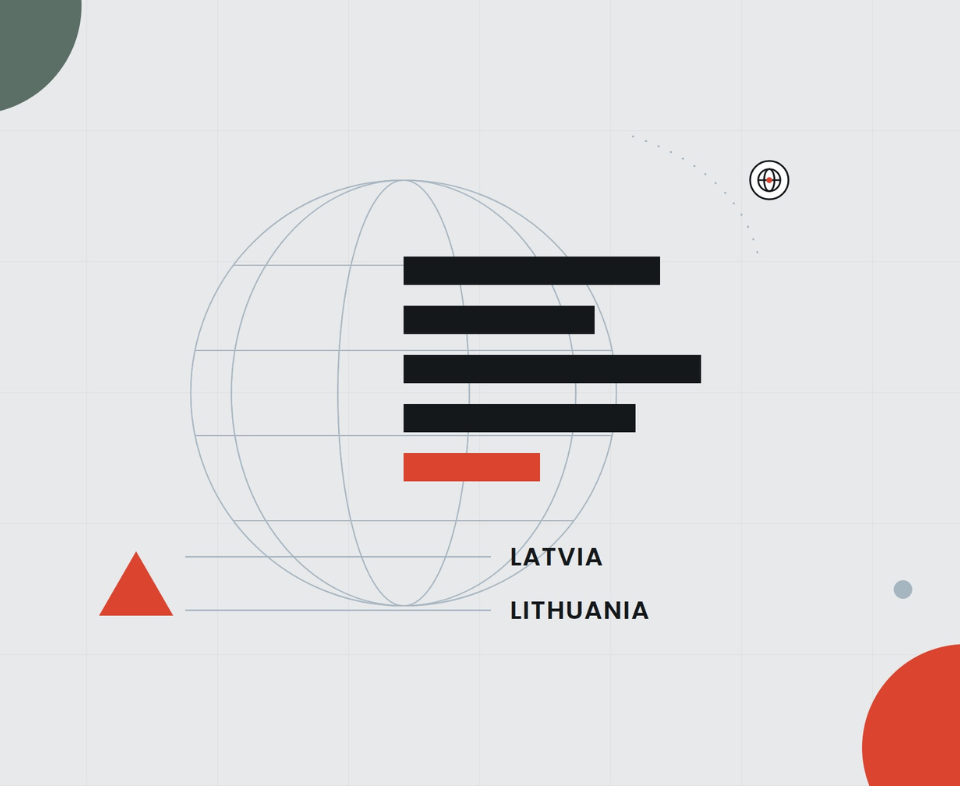
The Baltic states of Lithuania and Latvia have taken a significant step in acknowledging the role of civil society by formally integrating World NGO Day into their national calendars. For countries with deep roots in grassroots activism and democratic development, this move represents more than a symbolic gesture; it signals a formal commitment to strengthening the partnership between government institutions and the non-governmental sector.
While World NGO Day is observed globally on February 27, the path to legislative recognition in the Baltics has been distinct, reflecting the unique political discourse within each nation.
The Latvian Context: From Initiative to Legislation
Latvia holds a particular connection to this movement, as it is widely regarded as the birthplace of the initiative. World NGO Day was founded by Marcis Liors Skadmanis, a Latvian-British international lawyer, during his studies at Turiba University in Riga in 2009.
The early momentum for the movement in the Baltic Sea Region was supported by the Civic Alliance – Latvia (nvo.lv), which championed and represented the idea of World NGO Day in Latvia and at the Baltic Sea NGO Forum. Their early engagement helped establish the Day within the regional civil society community, contributing to its recognition in 2010 by 12 Baltic Sea Region countries at the Baltic Sea NGO Forum.
While this marked an important regional milestone, the journey toward national legislative recognition in Latvia was more complex. In March 2022, an initial proposal to officially recognize World NGO Day within the Latvian legislative framework faced resistance, with the Saeima declining the motion at the time—a setback closely tracked and reported by the Civic Alliance – Latvia.
However, persistent advocacy from the civil sector eventually helped shift the political conversation.
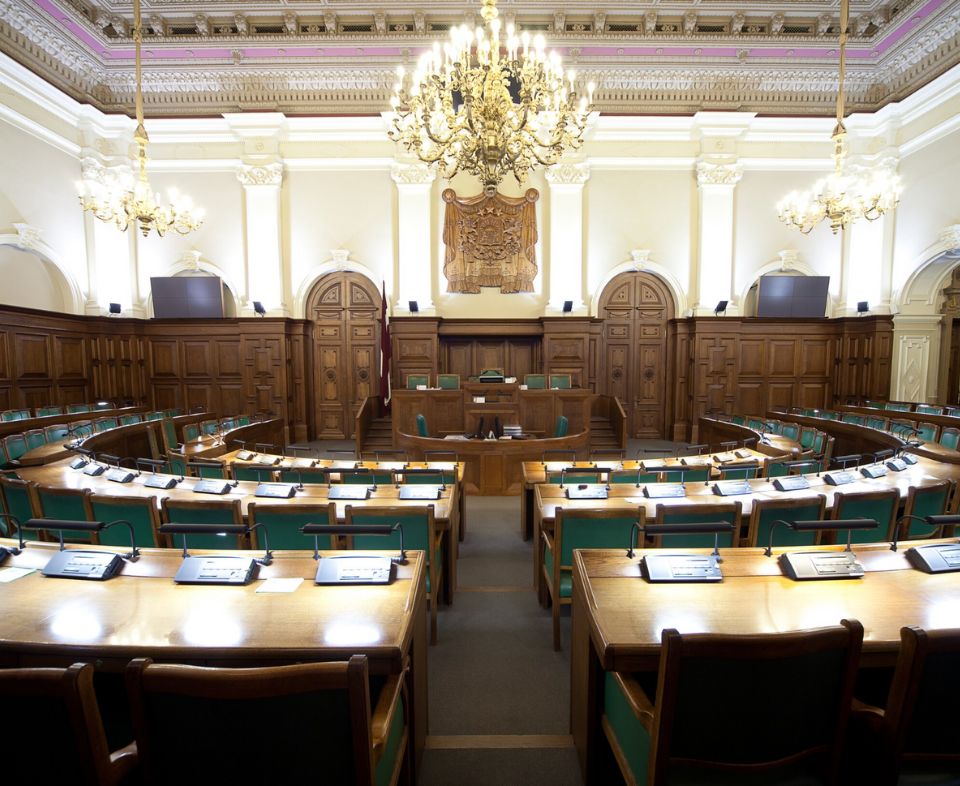
On February 27, 2025, a consensus was reached. The Saeima adopted amendments to the Law on Public Holidays, Commemoration Days and Celebration Days (Likums “Par svētku, atceres un atzīmējamām dienām”), officially enshrining the date as a day of celebration. Following the constitutional process, the amendments were promulgated by President Edgars Rinkēvičs.
The Saeima Presidium highlighted the strategic importance of this decision, noting that an official day of celebration serves to “motivate state institutions to cooperate with NGOs more closely, discuss topical issues, and find solutions to various social, environmental, and economic challenges.”
Lithuania’s Legislative Milestone
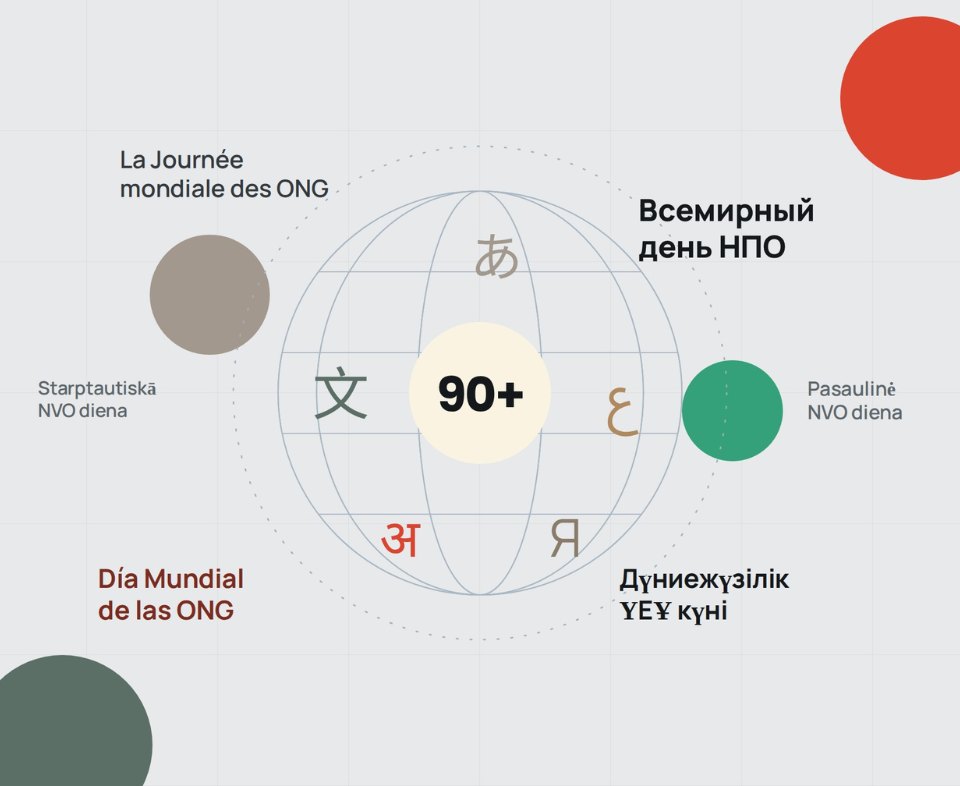
Lithuania followed a similar trajectory, albeit through different legislative channels. The proposal to include Pasaulinė NVO diena (World NGO Day) in the official calendar was championed by Seimas Speaker Viktorija Čmilytė-Nielsen.
The move gained strong parliamentary support. On June 8, 2023, the Seimas passed amendments to the Law on Memorable Days, a decision that saw broad cross-party approval with 94 votes in favor, only one against, and 10 abstentions. The amendment was part of a broader expansion of the national calendar that included twelve newly recognized commemorative dates.
For the Lithuanian government, the legislative intent was clear: to heighten the visibility of NGOs across all sectors of public policy. The government emphasized that the recognition is designed to foster an environment where information sharing and the exchange of best practices can thrive, effectively bridging the gap between state governance and civil society initiatives.
Strengthening the Civil Society Bond
The inclusion of World NGO Day in the national calendars of both countries serves as a recognition of the labor performed by thousands of individuals in the non-profit sector. From humanitarian aid and human rights advocacy to environmental protection and cultural preservation, NGOs have become essential components of Baltic public life.
By formalizing these dates, both Lithuania and Latvia have created a recurring annual platform for dialogue. As these nations look toward future economic and social challenges, the official recognition of World NGO Day stands as a testament to the idea that a robust democracy relies on a healthy, collaborative, and recognized civil society.
Sources:
- Republic of Lithuania Seimas: Law on Memorable Days Amendments
- Republic of Lithuania Seimas: Legislative Archive
- Republic of Latvia Saeima: Official Recognition of February 27
- Republic of Latvia Saeima: Saeima News
- Republic of Latvia Saeima: Final Adoption of Amendments
- Civic Alliance-Latvia: News and Updates
- Wikipedia (Latvia): Starptautiskā nevalstisko organizāciju diena
- BNS News Agency: Media Coverage
- Civic Forum EU: Lithuania’s NGO Day Summary
World NGO Day Global Council
Editorial Team
Vinícius Taddone, COO