

By Editorial Team
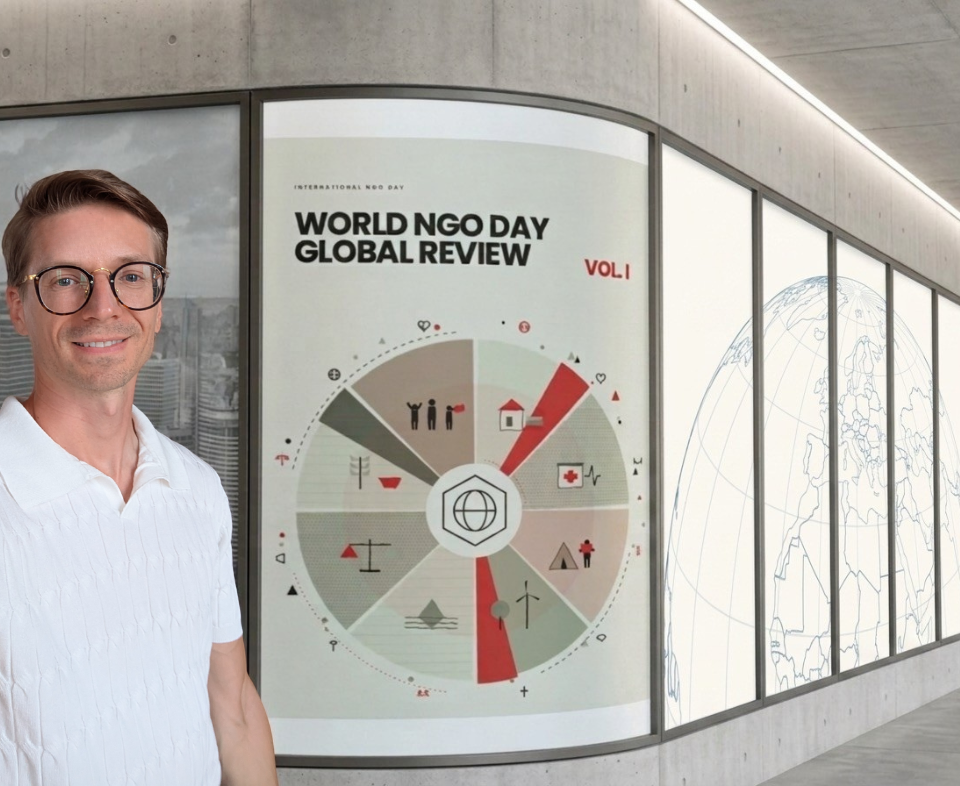
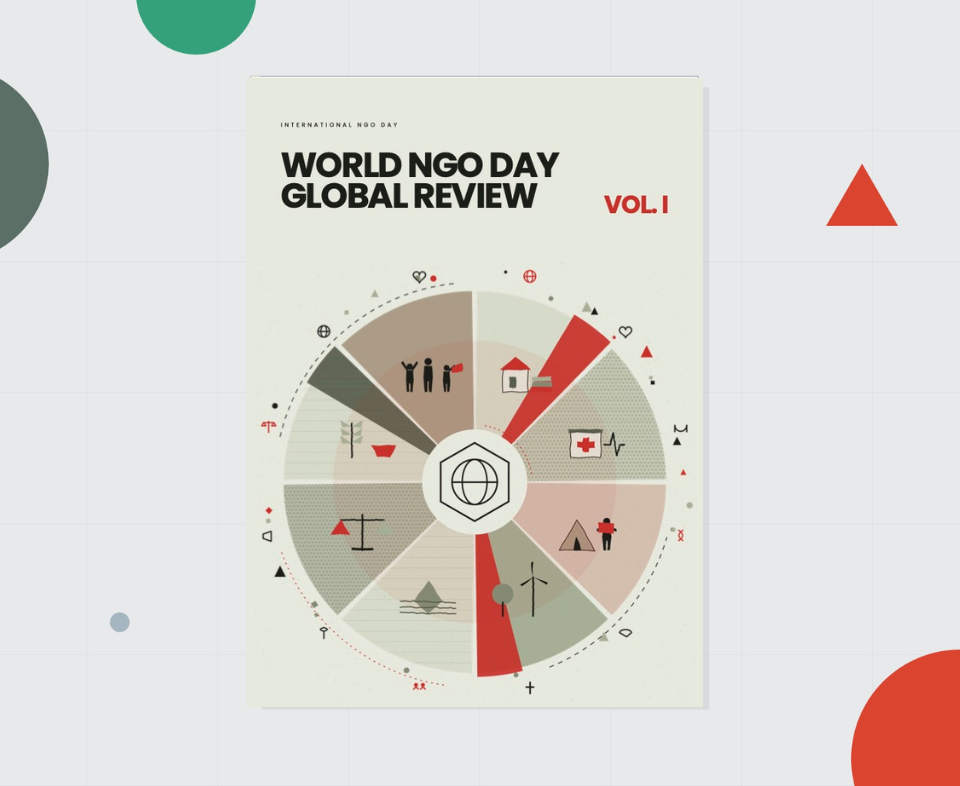
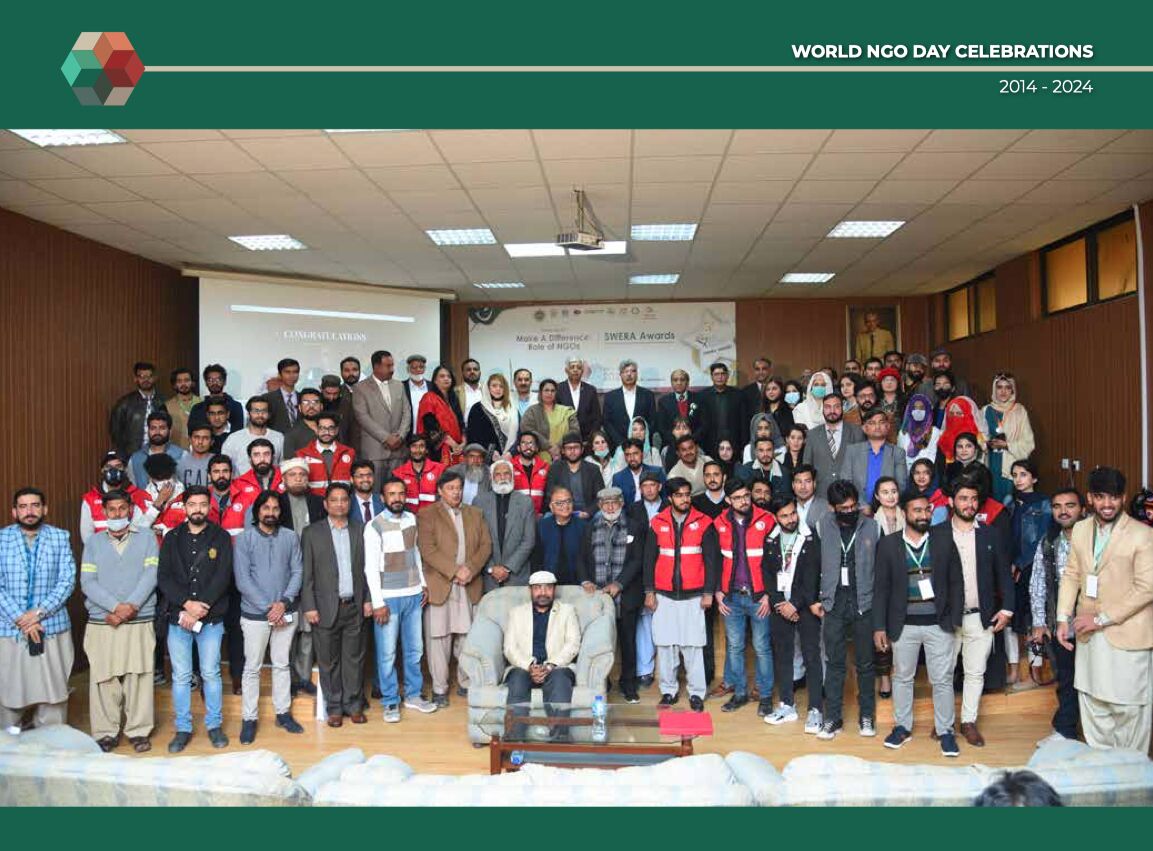
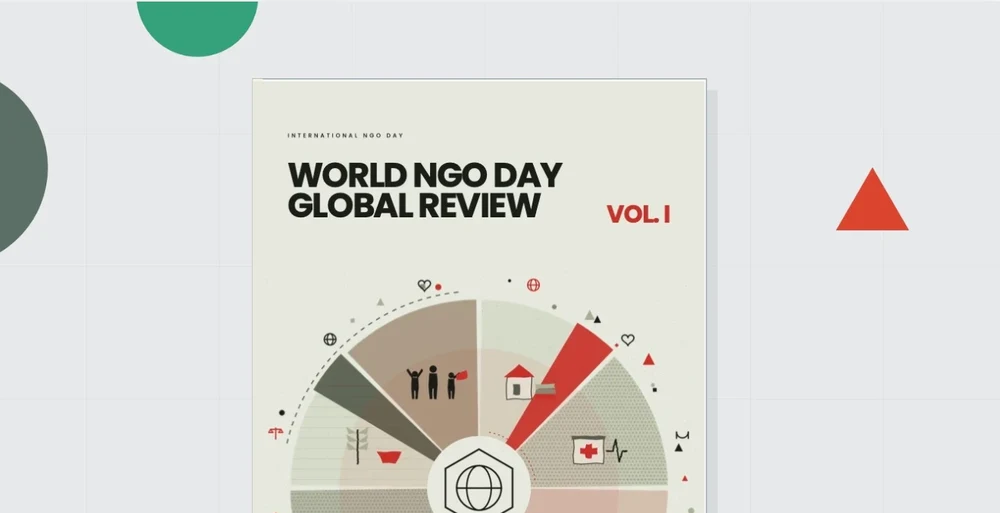
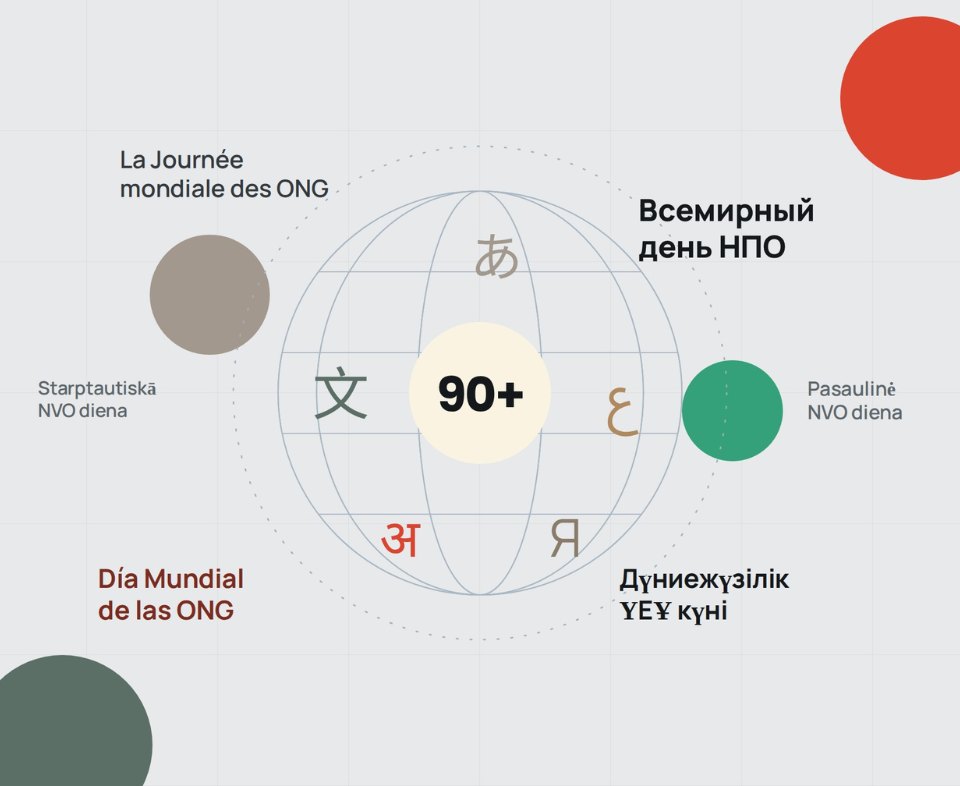
Día Mundial de las ONG. Всемирный день НПО. اليوم العالمي للمنظمات غير الحكومية. Дүниежүзілік ҮЕҰ күні. La Journée mondiale des ONG. Different alphabets, different languages, different parts of the world, all referring to the same day. The World NGO Day Global Review, Volume I documents the observance in more than 90 languages and writing systems, offering a fascinating view of how an international day dedicated to NGOs has found its place across different cultures and communities. Its story can be traced not only on a map, but in the many languages used to recognize it.
One day, many languages
From European languages using the Latin alphabet to Arabic script and Cyrillic writing systems, World NGO Day has taken on local names as it has spread. In Spain and Latin America, it is Día Mundial de las ONG, while French-speaking nations observe La Journée mondiale des ONG. In Kazakhstan, it is Дүниежүзілік ҮЕҰ күні, and Russian-speaking communities use Всемирный день НПО (НКО), alongside Arabic-speaking communities referring to it as اليوم العالمي للمنظمات غير الحكومية.
The differences are significant, as there is no single linguistic or cultural model behind the organizations being recognized. NGOs and nonprofits work within local communities, national institutions, and different social traditions, and the language used to recognize them reflects that diversity.
How a global idea travels
International initiatives often depend on a common vocabulary, but World NGO Day has taken a different route. Its identity has remained recognizable while its name has been adapted to local languages and writing systems, allowing the observance to become part of public conversations in countries with very different histories, cultures, and political systems. The result is a global day that does not require a single language to have a common meaning.
Inside the Global Review: Data from 90 linguistic fronts
Rather than relying on top-down synchronization, the findings compiled in the Global Review reveal an organic, grassroots linguistic adoption. The data maps how regional civil society networks independently translate the concept of non-governmental organizations—shifting fluidly between terms denoting associations, charities, public-benefit groups, and civic foundations. This nomenclature mapping demonstrates that the international nonprofit sector does not speak with one voice; instead, it utilizes a decentralized lexicon that mirrors the distinct legal, social, and cultural frameworks of each region.
Why language is more than translation
The 90-plus languages documented in the Global Review are not simply different versions of the same phrase. They represent communities in which NGOs, nonprofits, charities, and other civic organizations have their own histories, identities, and ways of working. For an international observance to take root, it has to make sense locally. That is particularly important for civil society, where much of the work happens close to the communities being served. An environmental group, humanitarian organization, community association, or nonprofit may be part of an international movement, but its relationship with people is usually built in a local language. World NGO Day reflects that reality.
From recognition to action
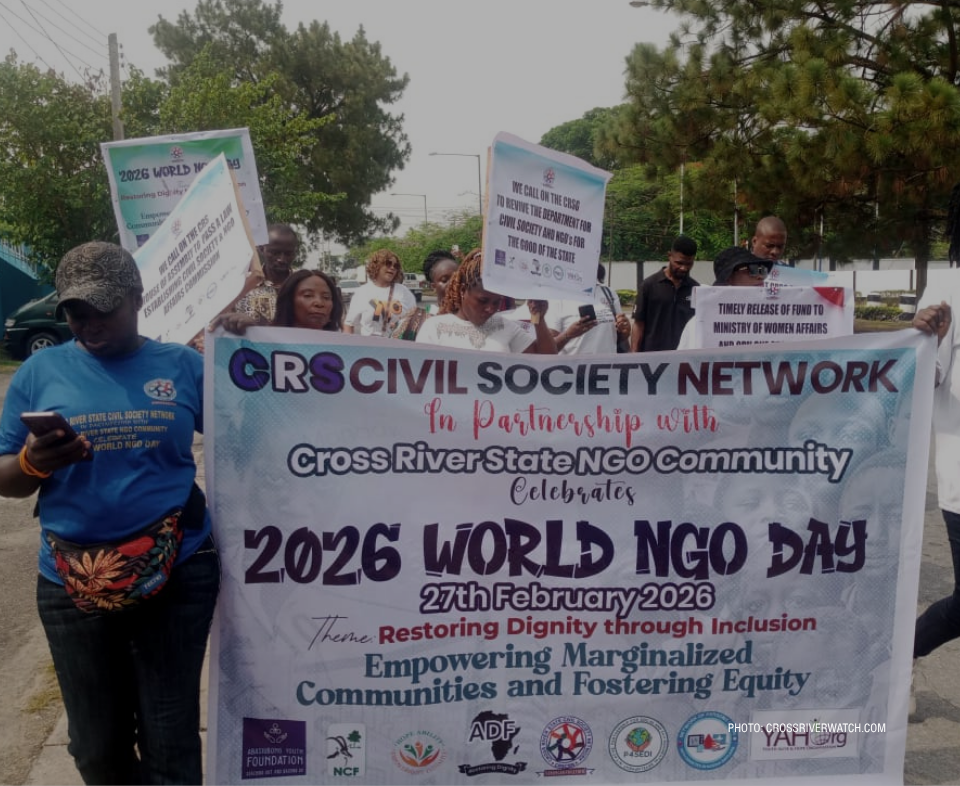
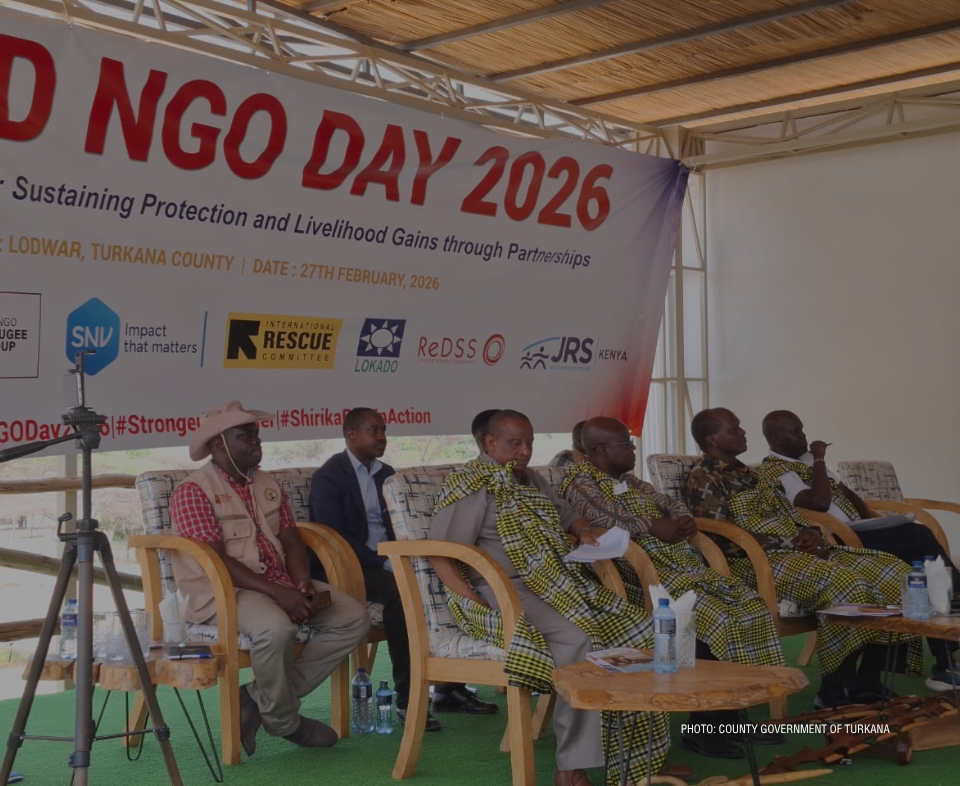
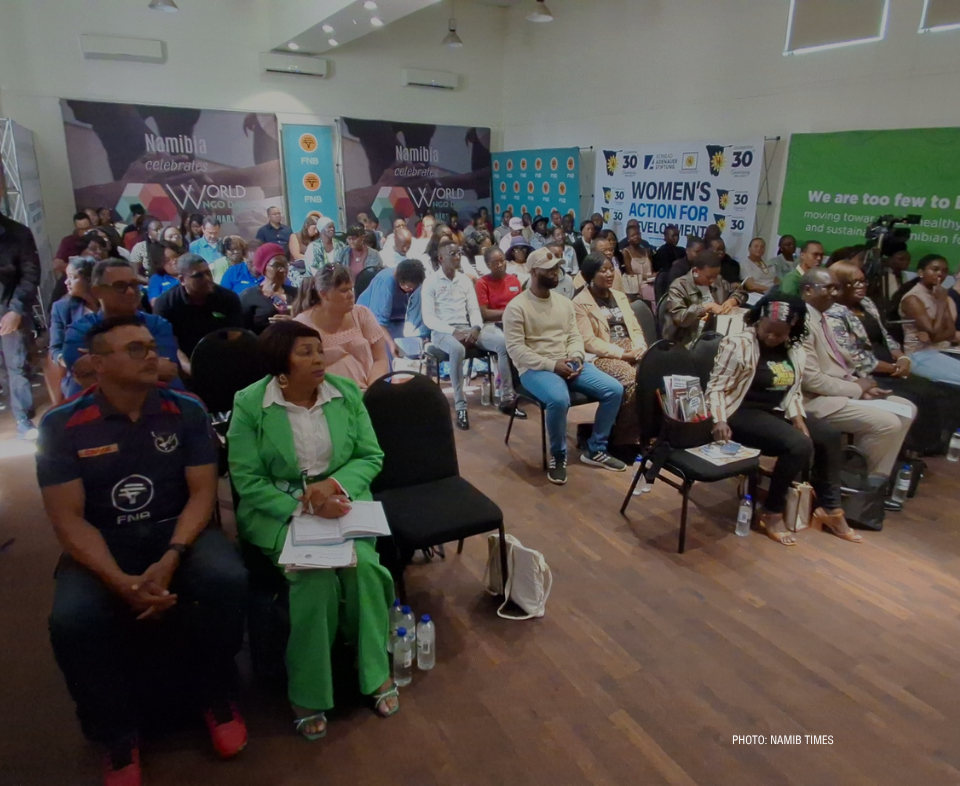
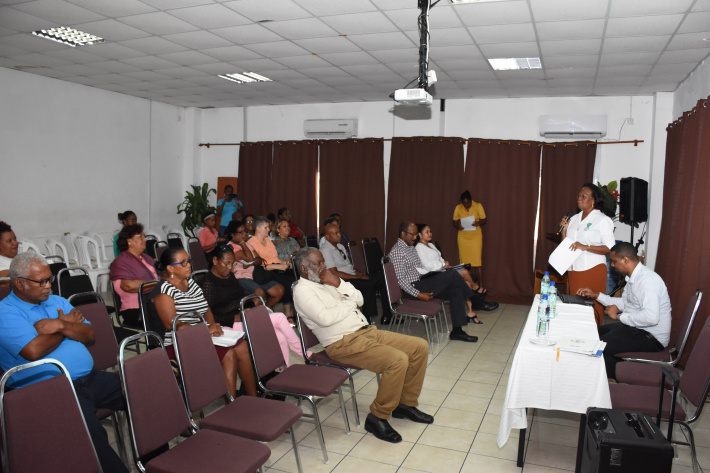
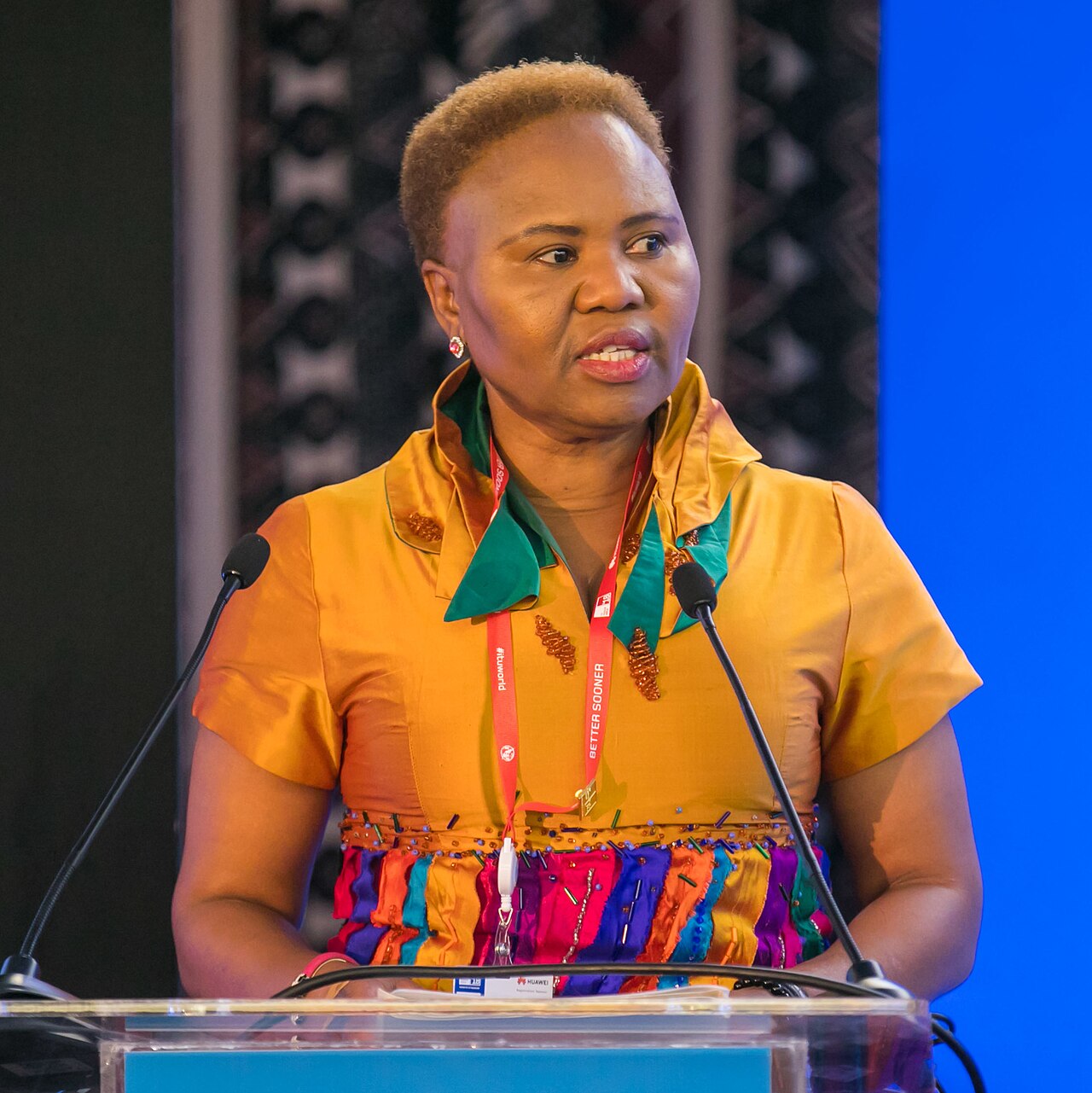
The date has also become an opportunity for governments and civil society organizations to draw attention to funding, policy, and the wider role of the nonprofit sector. On February 27, 2026, South Africa’s Western Cape Department of Social Development announced R1.138 billion in transfer funding for 1,072 nonprofit organizations. Elsewhere, civil society networks have used the day to publish research, discuss civic space, and highlight issues affecting organizations and the communities they serve.
What 90 languages reveal
A list of translations might appear to be a small detail in the history of an international day, but it is not. The languages and scripts documented around World NGO Day show how a common civic idea can move between countries without becoming detached from local identity. The words are different, the alphabets are different, and the organizations and communities are different, but behind them is the same recognition of the people who organize, volunteer, advocate, and work to improve their communities. That may be the most revealing part of World NGO Day’s linguistic journey: a global day does not need a single language to speak to the world.
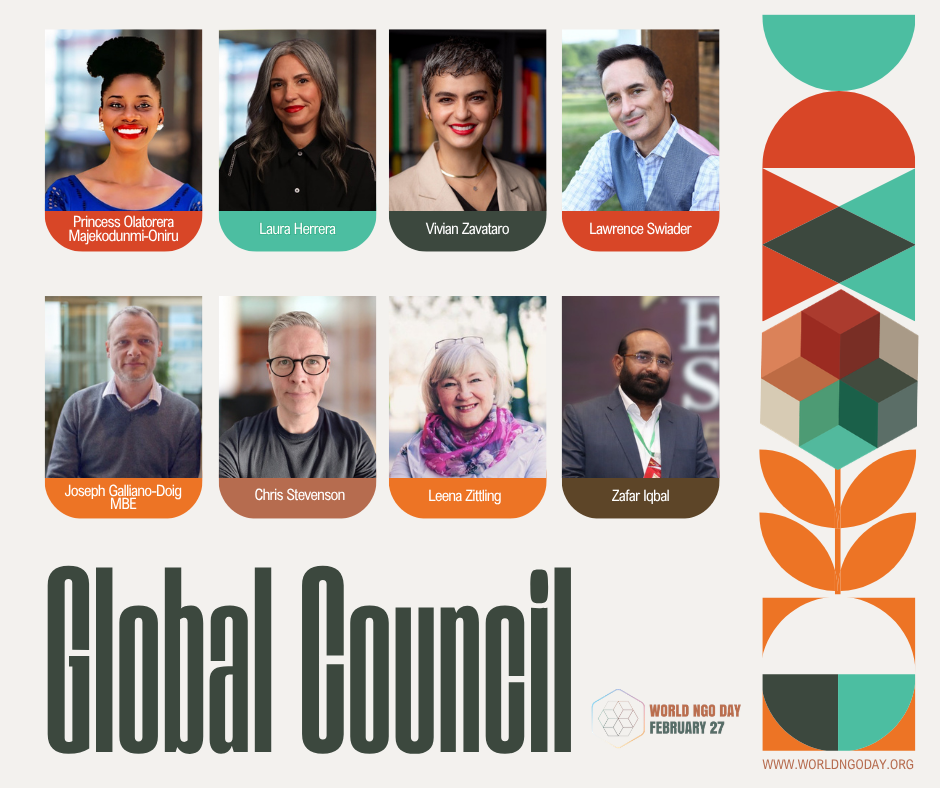
World NGO Day Global Council
Editorial Team
Vinícius Taddone, COO