




Two countries have written World NGO Day into national law
Lithuania became the first country to include World NGO Day in national law when the Seimas adopted the Day on June 8, 2023, by 94 votes to one, with 10 abstentions. Latvia followed in 2025.
A global day celebrating the people behind nonprofits and NGOs making a difference around the world.

The first edition records how the Day has developed, country by country, with named sources.
There are many ways to take part in World NGO Day.

For over a decade, the symbol has represented unity, diversity, and the people behind civil society, celebrated every 27 February.
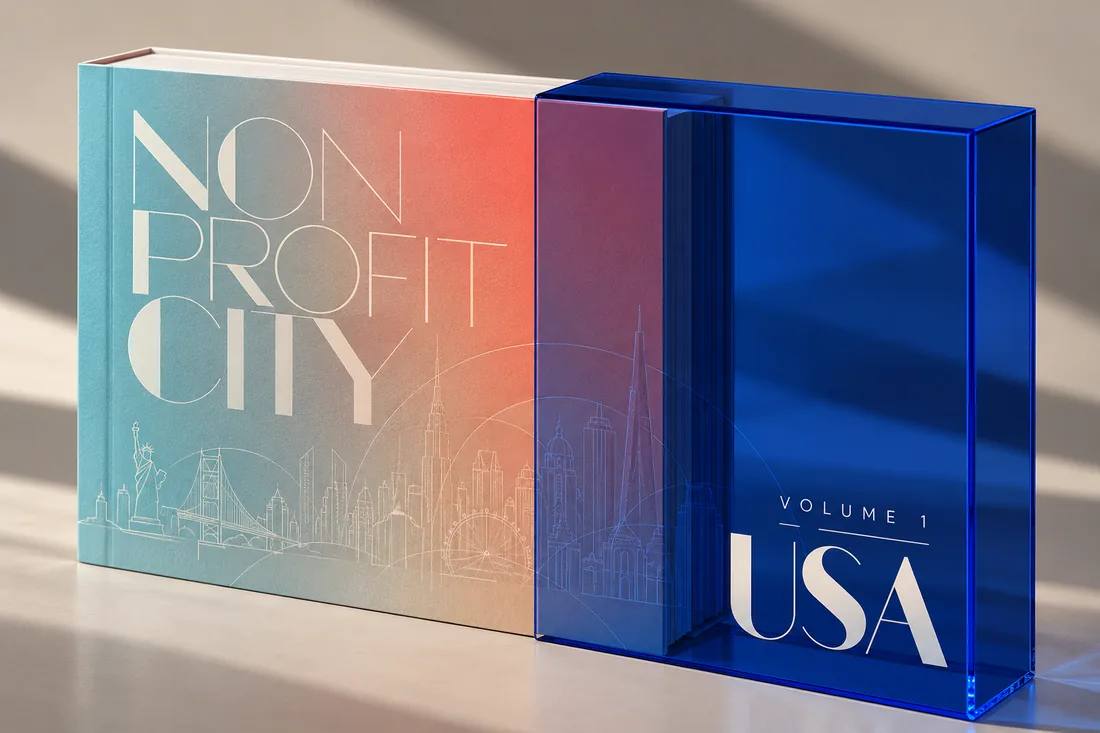
The first global guide to discovering cities and their nonprofit-friendly places, where organizations and communities meet, connect, celebrate, convene and collaborate, featuring exclusive interviews, local recommendations, original photography and art.
Volume 1 · USAWest Hollywood, San Diego, Los Angeles, Chicago, Washington D.C. and New York.
SubscribeLearn who safeguards the legacy of World NGO Day and how you can support it.

FriendsHAUS Founder and Assistance League of Los Angeles Board Member J’Net Nguyen joins as Executive Advisor.
Read MoreVolume I · 2026
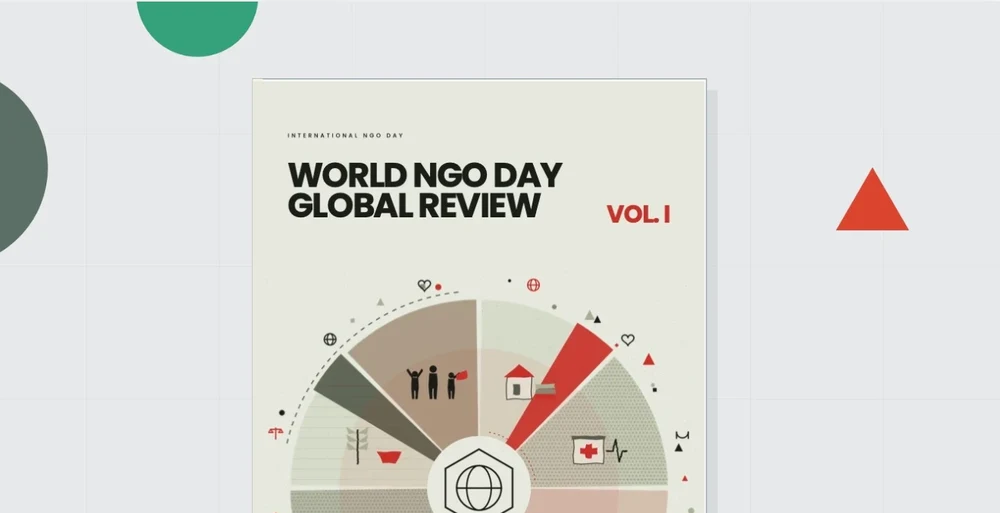
For the first time, the World NGO Day Global Review brings together the documented international history, recognition, and observance of World NGO Day (February 27) in one publication.

The World NGO Day Global Review is designed to preserve and document the international development of World NGO Day (February 27) as a day dedicated to NGOs, nonprofits, and civil society.
The Review examines how World NGO Day (February 27) has been recognized, observed, celebrated, promoted, or publicly acknowledged.
The research was conducted across multiple languages and source markets, using both English and local-language names for World NGO Day.
The Global Review brings these developments together so they can be seen, compared, referenced, and built upon.
Lithuania became the first country to include World NGO Day in national law when the Seimas adopted the Day on June 8, 2023, by 94 votes to one, with 10 abstentions. Latvia followed in 2025.
On World NGO Day (February 27, 2026), South Africa’s Western Cape Department of Social Development announced transfer funding for 1,072 nonprofit organizations.
The European External Action Service issued its first World NGO Day statement in 2017 and has continued to issue a statement every World NGO Day (February 27) since then.
In 2025, 23 national and regional NGO umbrella and support organizations across 19 African countries were documented publishing World NGO Day messages.
Egypt’s Ministry of Awqaf published an essay placing February 27 within both the international framework of World NGO Day and the Islamic tradition of charitable work.
Volume I adds newly documented observances and institutional participation from countries including Egypt, Moldova, Ukraine, Türkiye, Mexico, Brazil, Kazakhstan, Jamaica, Trinidad and Tobago, and other parts of the Caribbean.
Eight regional chapters · Toolkit · Global summary tables · Appendices
To make comparisons possible, the Review uses five levels of recognition:
World NGO Day is written into national law or an official national calendar.
Heads of state or government, ministers, governors, mayors, or government agencies participate.
Public institutions, universities, public chambers, resource centers, and public broadcasters mark the Day.
NGO networks, foundations, companies, and CSR programs participate in or promote the Day.
Media coverage, awareness calendars, and public or social-media observance.
The Global Review is not intended to be read only from beginning to end.
See how other jurisdictions have recognized World NGO Day (February 27), from government statements and public events to national legislation.
Explore how organizations and networks around the world participate in World NGO Day.
Find documented statements, official perspectives, quotations, milestones, and references.
See examples of corporate and foundation participation.
Use the regional chapters, country tables, source references, and Research Annex.