







Turning 27 February intoan official date.
Governments recognise World NGO Day in two ways: a parliament writing it into national law, or a city and county adding it to the local calendar. Both start the same way — with a documented, repeated observance — and both are set out here, step by step.
Make 27 February a permanent part of the national calendar.
National governments have recognized World NGO Day in different ways — from an official ministerial statement to formally including 27 February in national commemorative-day legislation. Some approaches require little or no cost and can be achieved with a single signature; others take longer but create lasting legal recognition once adopted.
A commemorative day in national law is a small legal measure with a long institutional life. It can survive changes of government, provide ministries with a recognized occasion to announce funding and convene partners, and affirm that civil society is an established part of the national record — not outside it.
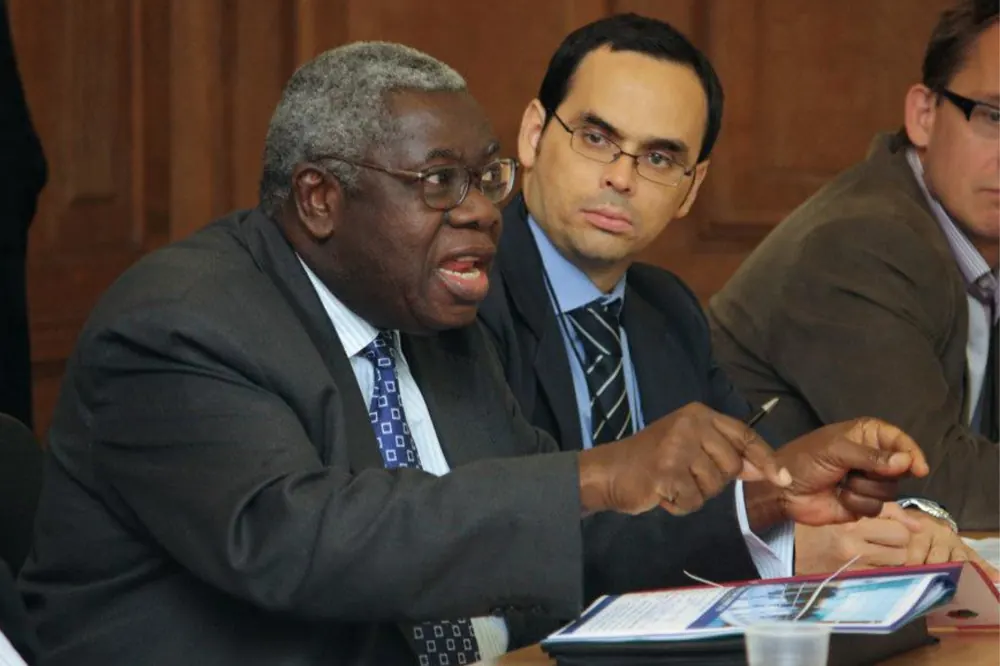
An official day of celebration will motivate state institutions to cooperate with NGOs more closely and find solutions to social, environmental and economic challenges.
From observance to law
Two countries have written World NGO Day into national law so far, and both arrived by the same route. It is repeatable, and it looks like this.
Local observance begins
An organisation, a university or a city marks 27 February and repeats it the following year. A public record starts to build.
A national umbrella takes it up
A national NGO network adopts the date as one sector-wide convening point, rather than many separate local events.
A parliamentarian is approached
The umbrella body presents the case to a sympathetic member of parliament or committee, citing other parliaments and international recognition as precedent.
A formal proposal is filed
A member of parliament submits an amendment to the national law governing commemorative and remembrance days.
Committee review
A committee examines the proposal. This is where the observance record built in the first two steps does its work.
Plenary vote
The full parliament votes on adoption.
Permanent listing
27 February enters the national calendar for good.
"Recognizing that non-governmental and nonprofit organizations are essential partners in [country]'s social, environmental and economic development; noting that 27 February is observed internationally as World NGO Day; [Parliament / Government / City] hereby declares 27 February as World NGO Day in [jurisdiction], and invites public institutions to mark the day in cooperation with civil-society organizations."
An easy way to add 27 February to your city or county calendar.
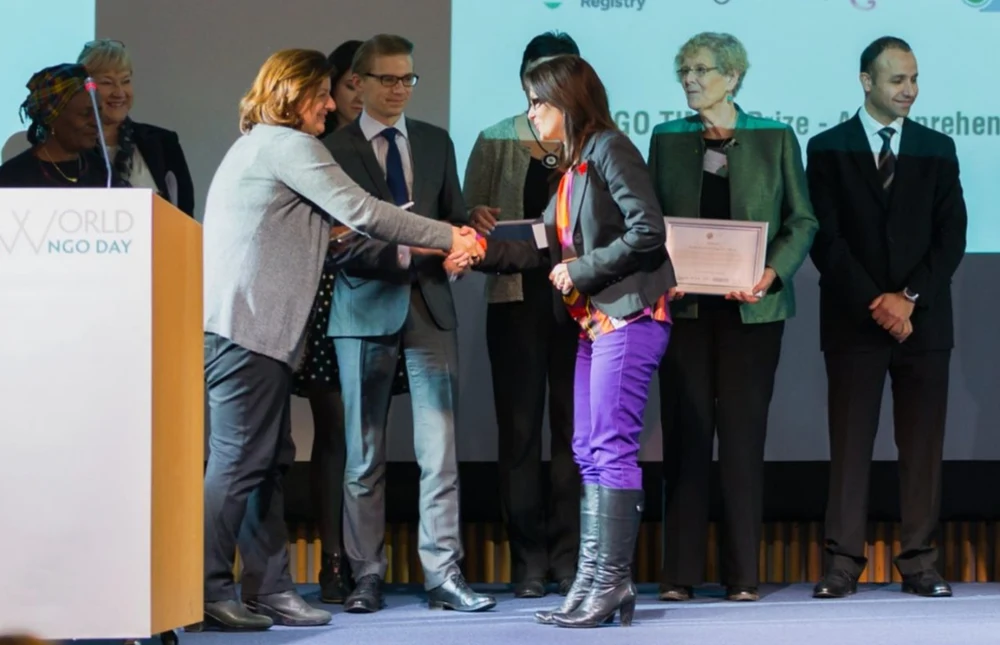
A city or county can recognise World NGO Day on its own authority, without waiting for national action. It's the most accessible starting point — and often the one that leads furthest. Local recognition is the documented evidence that later persuades a national parliament.
What to ask for depends on the legal system. Where a ceremonial proclamation tradition exists, a mayor can sign one within a few weeks, at no cost. In most civil-law countries the equivalent is a council decision: it takes longer, but it is a published legal act, usually permanent, and it can carry a budget.
Proclamation systems
Council-decision systems
The four tiers
A tier 1 document is the qualification for the larger ones — each step makes the next easier to ask for.
A single signature
United StatesMayoral proclamation — one signature, four to six weeks.
ElsewhereMayoral decree or letter — one signature, four to eight weeks.
Made permanent
United StatesCity council resolution — permanent, makes it annual.
ElsewhereMunicipal council decision — published, permanent, can carry a budget.
Covering more ground
United StatesCounty board of supervisors — covers every city countywide.
ElsewhereRegional or provincial assembly — covers a wider area.
Toward national law
United StatesGovernor, then a national mayors' association resolution.
ElsewhereA ministry statement, then a national law listing.
Ask for what your system already has
Outside the proclamation tradition, it's quicker to request the instrument a council already uses.
France, Belgium & francophone Africa
Ask forA council deliberation ("délibération") or a formal wish ("vœu").
ApproachA deputy mayor for associative life or social affairs.
Spain & Latin America
Ask forA plenary agreement or institutional declaration.
ApproachA councillor for citizen participation — usually adopted unanimously.
Poland, the Baltics & Central Europe
Ask forA council resolution.
ApproachA councillor, together with the committee on social affairs or NGO cooperation.
Germany, Austria, Switzerland, the Nordics & the Netherlands
Ask forA council resolution or mayoral patronage.
ApproachA party group or the municipal civil-society officer — patronage moves faster.
Commonwealth countries
Ask forA civic proclamation, council motion or mayor's message.
ApproachA councillor, or the mayor's office directly.
Middle East, Central Asia & Türkiye
Ask forA governor's or municipal decision, or an official portal statement.
ApproachThe department for social affairs or civil-society liaison.
"Whereas nonprofit and non-governmental organizations deliver essential services in health, housing, education and the environment, and represent a significant part of the local economy and workforce; and whereas World NGO Day is observed annually on 27 February in over 140 countries and marked by governments, municipalities and civil-society organizations worldwide — now, therefore, be it resolved that 27 February is recognized annually as World NGO Day in [City / County]."