Celebrate
The people behind non-governmental, nonprofit organizations — staff, volunteers, founders and members — and what they achieve in their own communities.
A global day celebrating the people behind nonprofits and NGOs making a difference around the world.
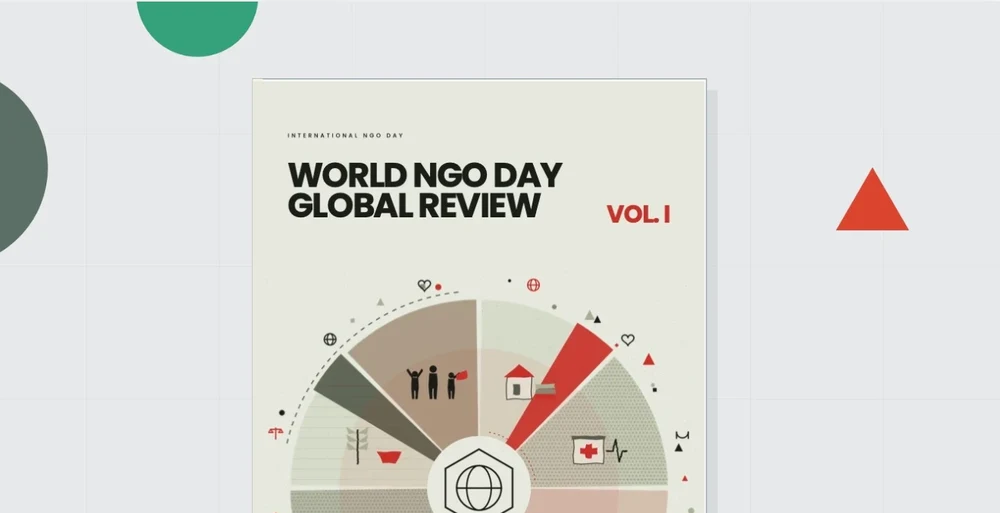
The first edition records how the Day has developed, country by country, with named sources.
There are many ways to take part in World NGO Day.
For over a decade, the symbol has represented unity, diversity, and the people behind civil society, celebrated every 27 February.
The first global guide to discovering cities and their nonprofit-friendly places, where organizations and communities meet, connect, celebrate, convene and collaborate, featuring exclusive interviews, local recommendations, original photography and art.
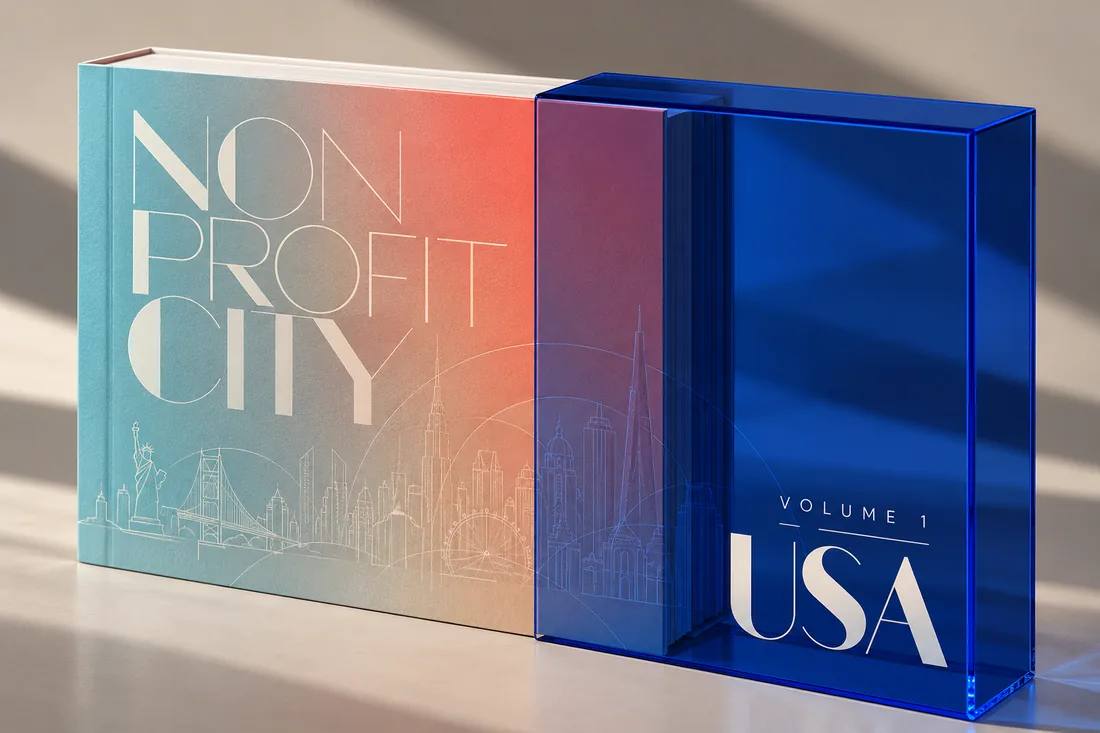 Volume 1 · USA
West Hollywood, San Diego, Los Angeles, Chicago, Washington D.C. and New York.
SubscribeLearn who safeguards the legacy of World NGO Day and how you can support it.

FriendsHAUS Founder and Assistance League of Los Angeles Board Member J’Net Nguyen joins as Executive Advisor.
Read MoreThe concept of an international day dedicated to NGOs, World NGO Day, was created in 2009 by 24-year-old law student Marcis Skadmanis. Today, it celebrates the people behind nongovernmental, nonprofit organizations worldwide every February 27, connecting communities across all continents.
 2012
2012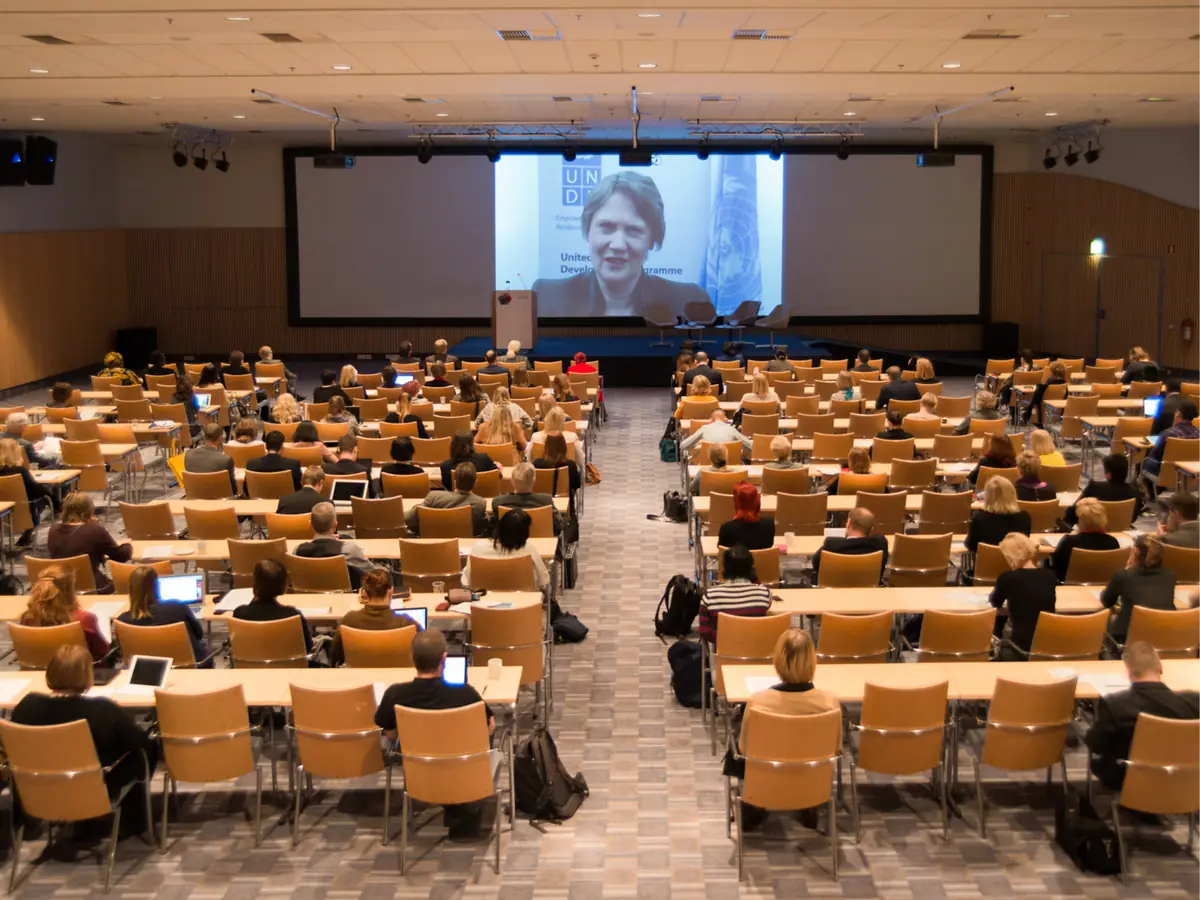 2014
2014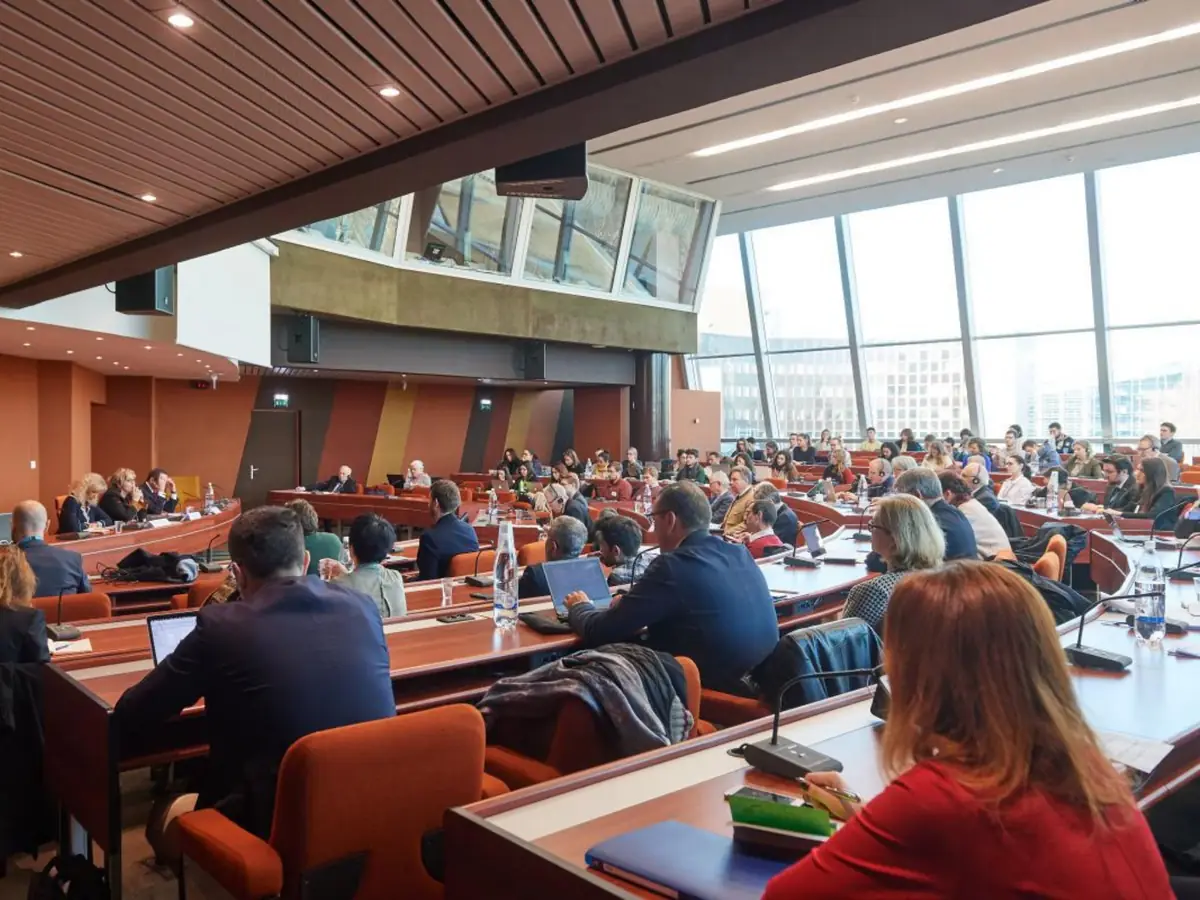 2019
2019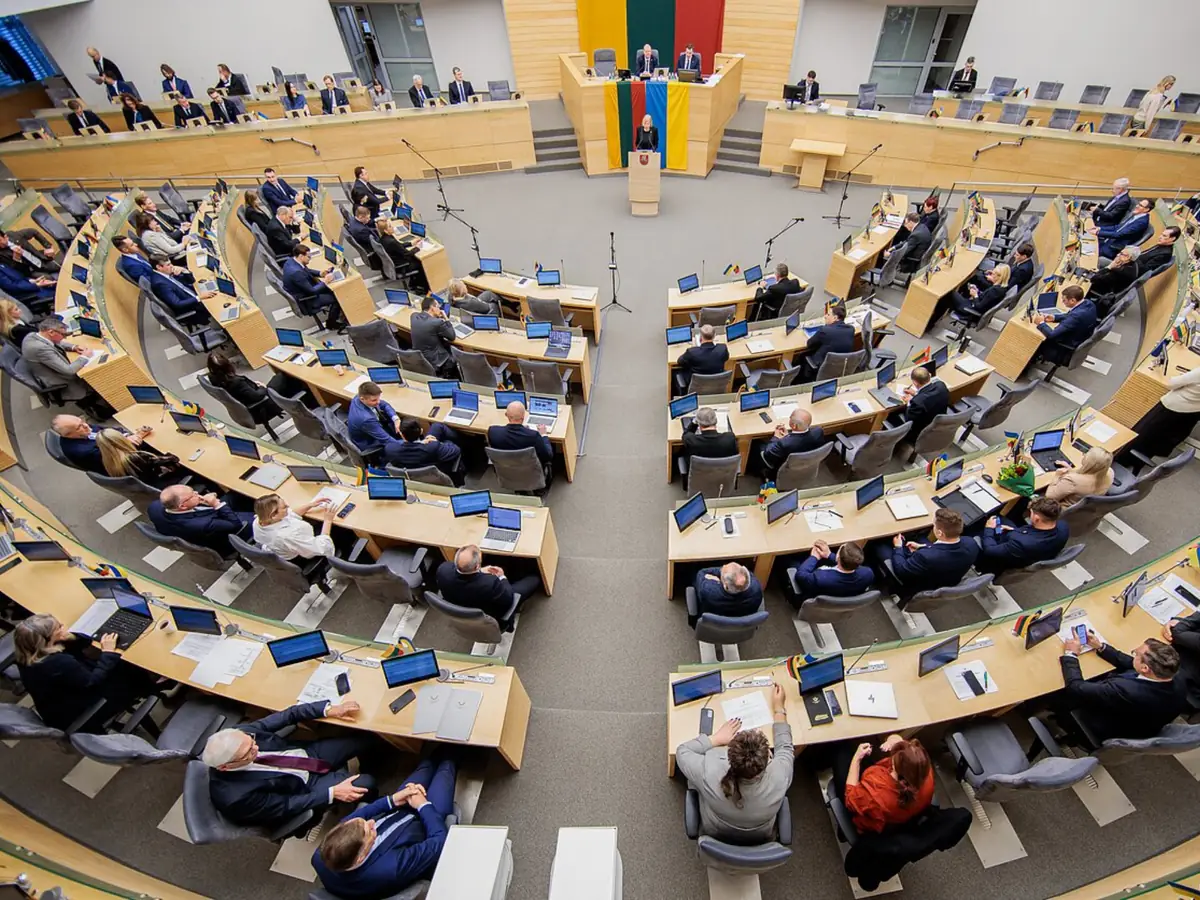 2023
2023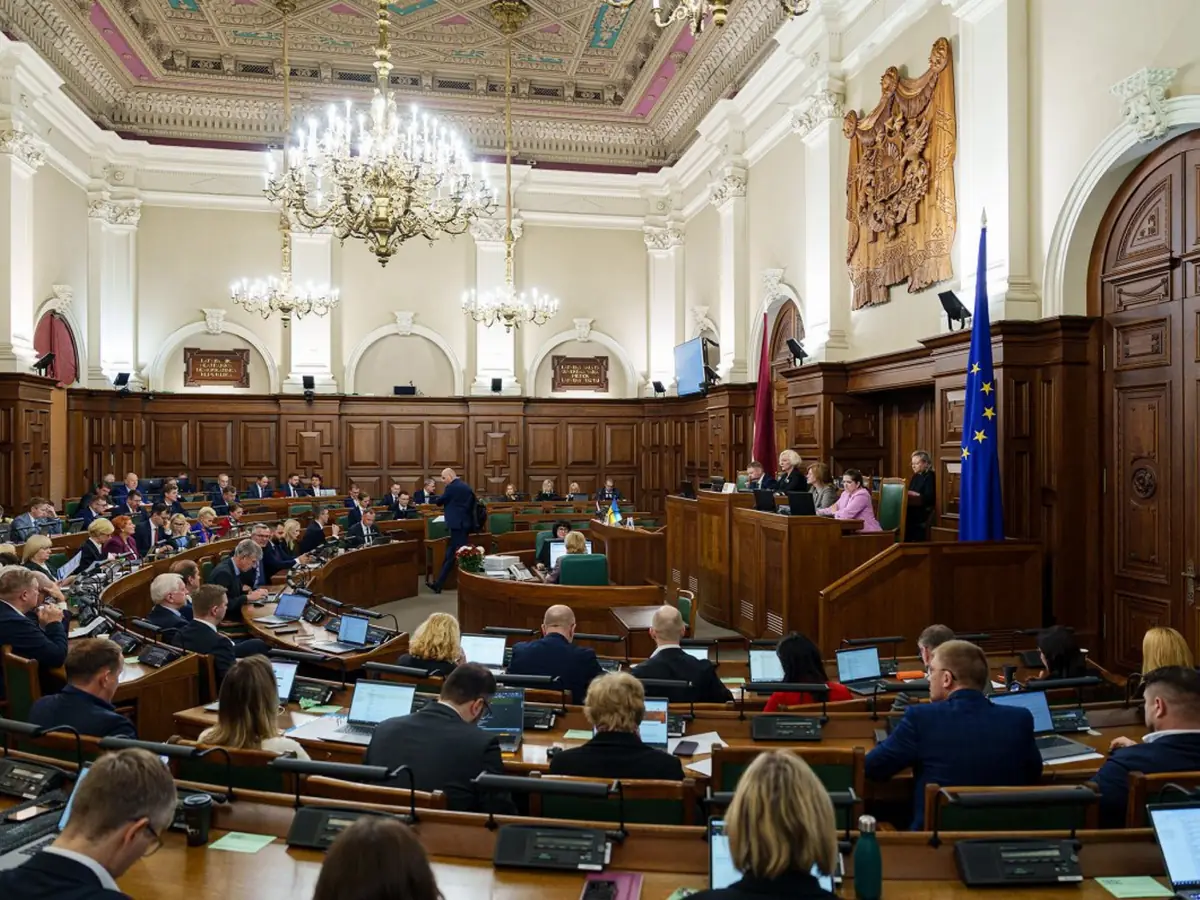 2025
2025Marcis Liors Skadmanis (LL.M, LL.B, Honoris Causa, FRSA) is the visionary behind World NGO Day.
At 24, while preparing his Master’s dissertation in International Law, Marcis developed a clear vision: the world needed a day to recognize NGOs and the people behind them—and to champion their rights. At the time, no such global day existed.
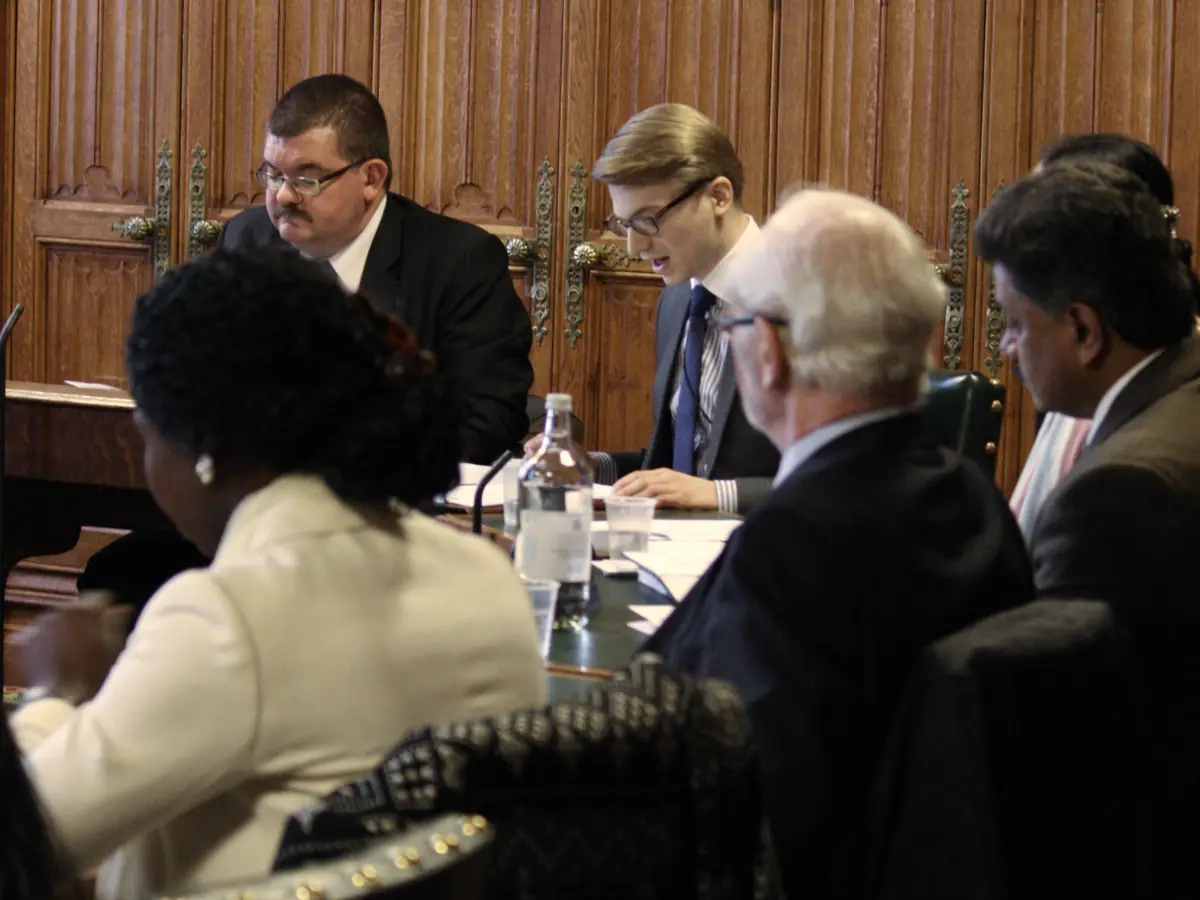
By 2013 the idea had international support. Volunteers helped take it to both Houses of the UK Parliament, the European Commission, the Commonwealth Parliamentary Association, UNESCO, the British Embassy in Finland and the Royal Over-Seas League.
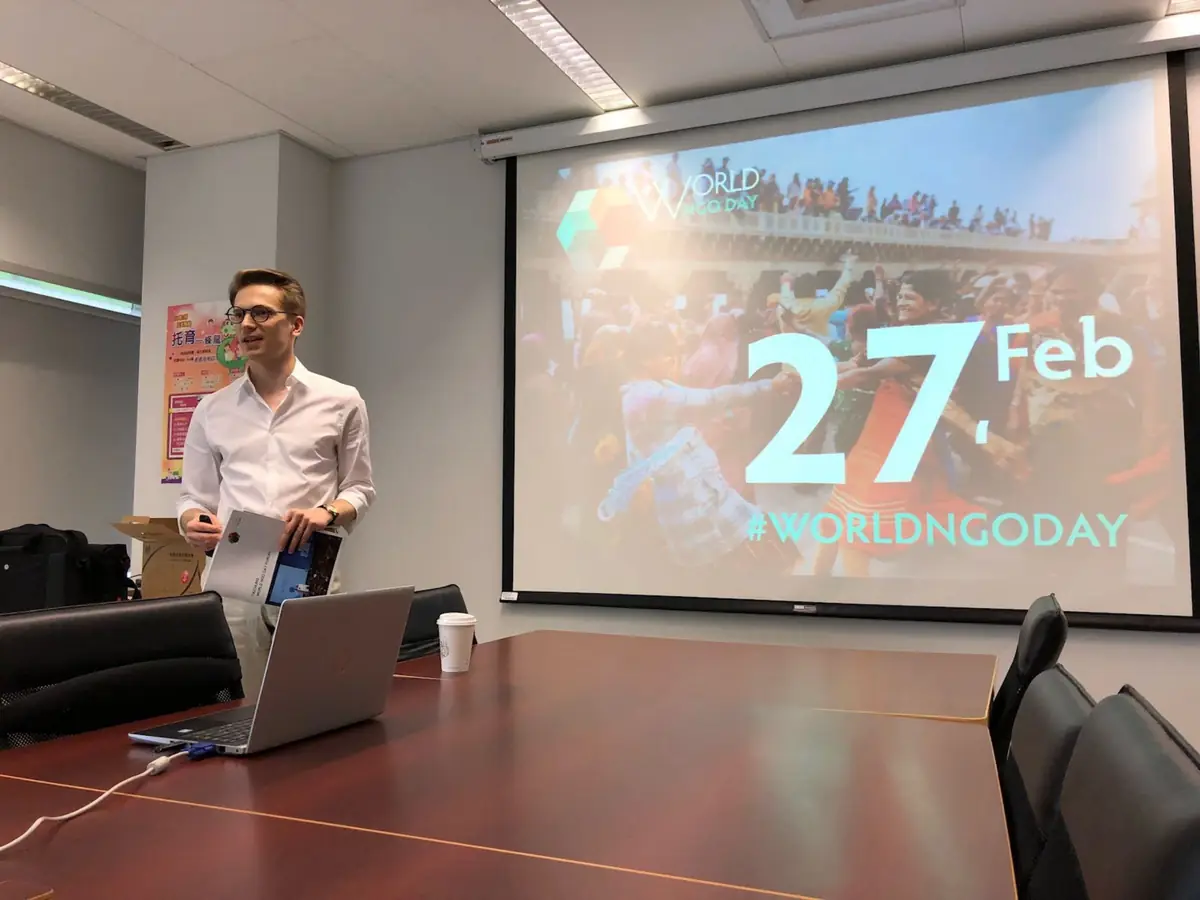
From a simple idea in 2009 to a global awareness day observed across all continents.
The concept was created in Latvia by Latvian-British lawyer Marcis Liors Skadmanis, then a law student, with lobbying support from Civic Alliance – Latvia. He later advanced the initiative internationally from the UK.
The X Baltic Sea NGO Forum in Berlin, held under the German Presidency of the Council of the Baltic Sea States and attended by the European Commission, called on every country in the network to celebrate the Day. In November, Finland’s Minister for International Development issued the first government letter of support.
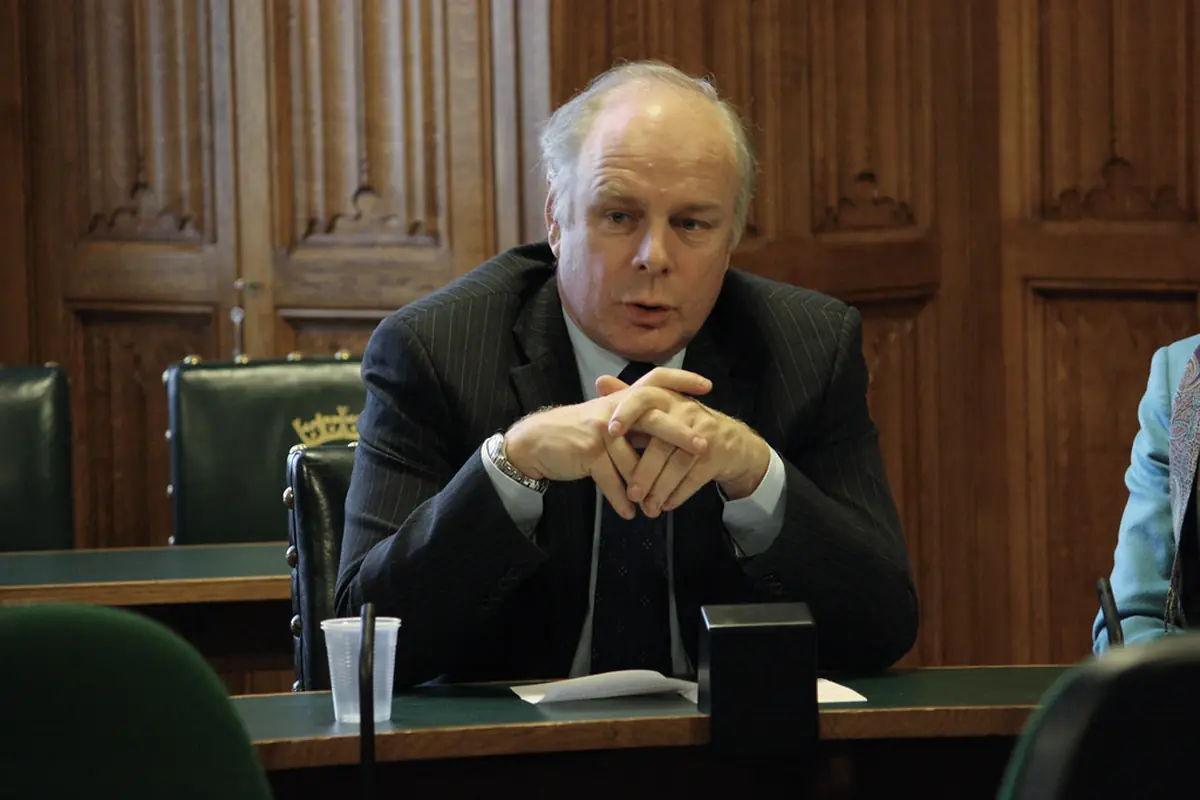
High-level introductory meetings of the World NGO Day concept were held at the UK Parliament (House of Commons and House of Lords), led by Major Ian Liddell-Grainger, Member of Parliament; the European Commission; the Commonwealth Parliamentary Association; UNESCO; the British Embassy in Finland, led by HE Matthew Lodge; and the Royal Over-Seas League in London, led by Major General Roddy Porter, Director General.
Four months before the launch, Marcis lost his younger sister, Daina Skadmane, and his father, Janis Skadmanis, in the Zolitūde tragedy. Encouraged by close friends, he did not cancel the plan.
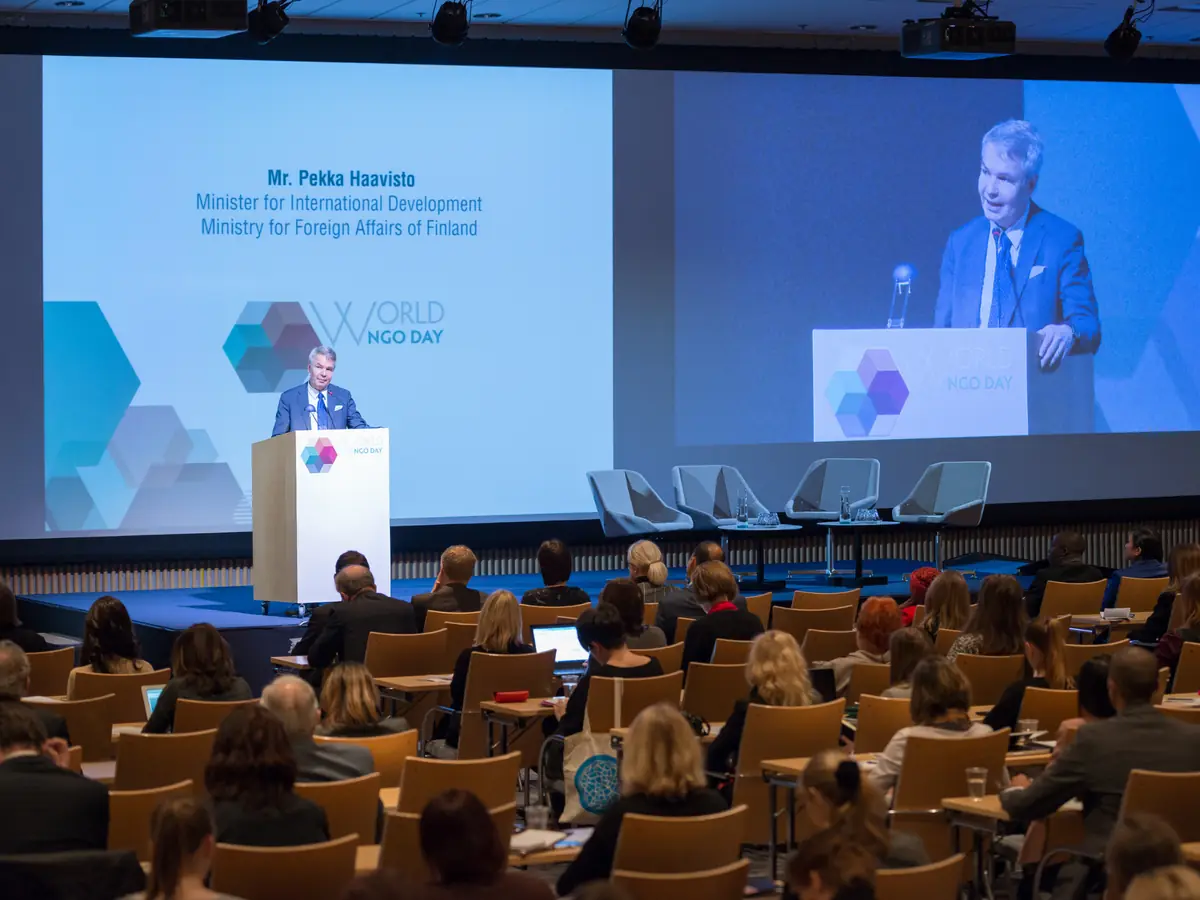
Finland becomes the first country to officially support the initiative. Its Ministry for Foreign Affairs hosts the inaugural World NGO Day Forum in Helsinki on 27–28 February, featuring UNOPS, UNESCO, UNDP, the European Commission and the Nordic Council, alongside 38 Goodwill Ambassadors from some 25 countries.
The European External Action Service issues its first statement marking World NGO Day, beginning a practice the institution has maintained every 27 February since.
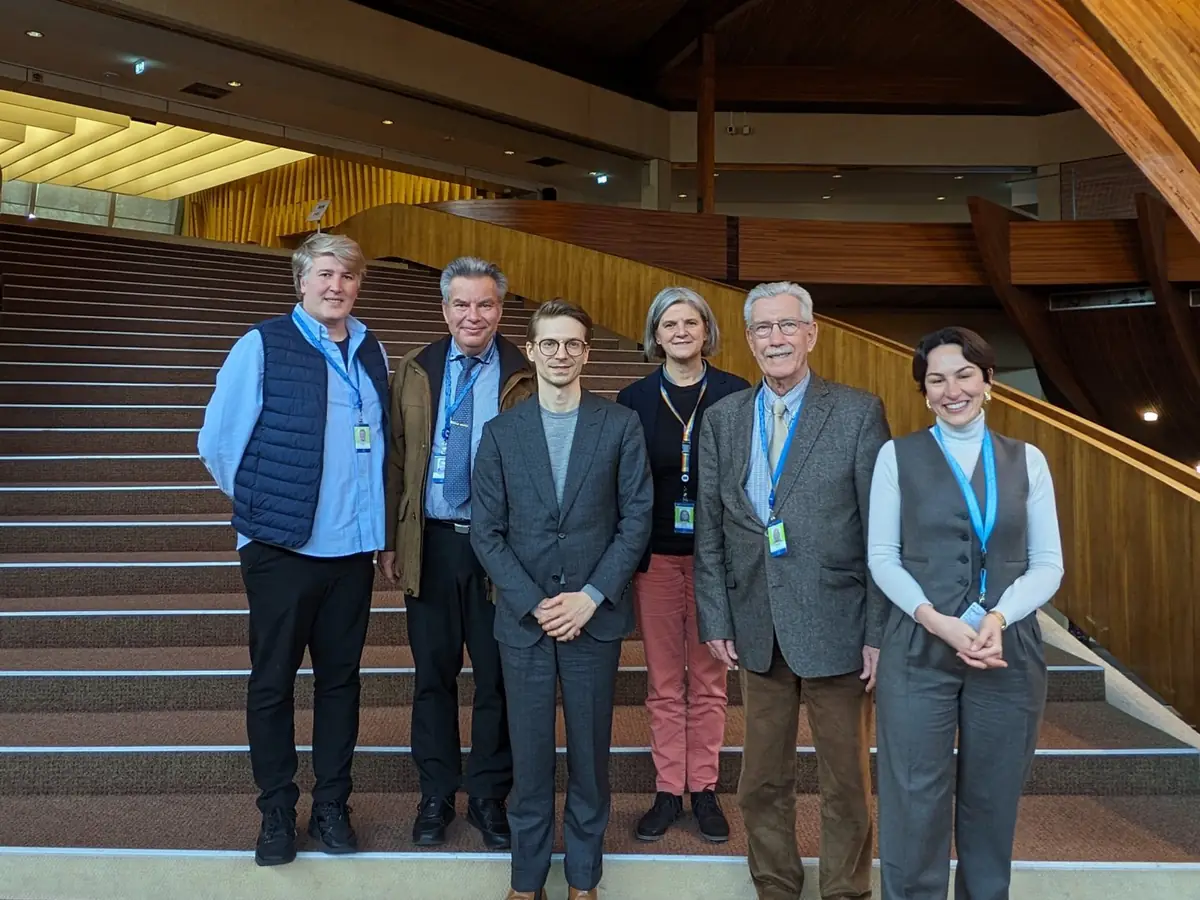
The Conference of INGOs marks World NGO Day in Strasbourg for the first time and has continued to do so every year since — led by Anna Rurka, President.
Lithuania’s Seimas adds Pasaulinė NVO diena to the Law on Memorable Days on 8 June by 94 votes to one, with 10 abstentions — the first country in the world to do so.
World NGO Day is added to the European Union’s calendar of recognized international days. The Conference of INGOs of the Council of Europe marks its tenth anniversary in Strasbourg, led by Gerhard Ermischer, President. In Africa, 23 umbrella organizations across 19 countries mark the Day, up from 14 the previous year.
Latvia’s Saeima adds 27 February to the Law on Public Holidays, Commemoration Days and Celebration Days, becoming the second country to legislate World NGO Day.
South Africa’s Western Cape announces R1.138 billion in transfer funding to 1,072 nonprofit organizations on the Day; Jamaica hosts the first Caribbean CSO Conference; and the first World NGO Day Global Review documents celebrations across more than 140 countries and territories.
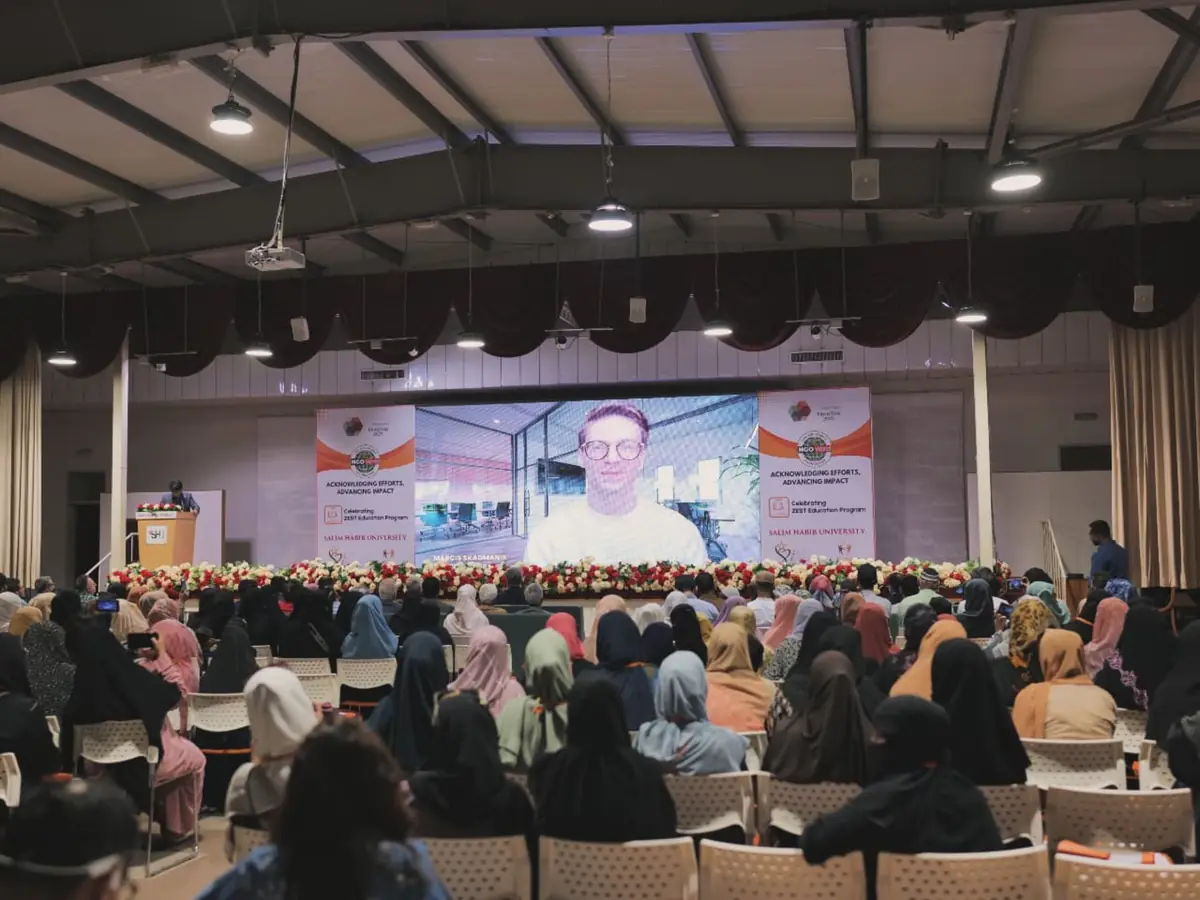
I hope my message will, in a small way, add to the voices from those who believe that the time has come for the international community, particularly through the United Nations, to designate a day in a year to be known as the World NGO Day.
The people behind non-governmental, nonprofit organizations — staff, volunteers, founders and members — and what they achieve in their own communities.
Those who founded organizations and stood up for civil society, and those who lost their lives doing this work — in conflict, in disaster, and wherever representing an NGO carries a cost.
Across sectors and borders. Governments, institutions, businesses and NGOs meet on 27 February to work on what none of them can solve alone.
Latvian artist Daina Skadmane (1990–2013) created the original logo’s colors and shape concept, inspired by nature, diversity and the unity of civil society.
For the Day’s 10th anniversary, Vinícius Taddone (Brazil) modernized the logo, preserving its original shapes and seasonal colors for a new global identity.
It is a universal symbol of collaboration — a reminder that when people unite across nations and causes, we can build a better, more compassionate world.
It connects the many sectors nonprofits serve — health, environment, human rights — working together on challenges none can solve alone.
World NGO Day is recognized as an international day by the European Union, and has been marked every 27 February since 2017 by the European External Action Service (EEAS) — the diplomatic service of the European Union. Each statement draws attention to the issues facing civil society worldwide.
Issued by the European External Action Service on the occasion of World NGO Day, 27 February 2026.
Marked across the European Union and its delegations, with a video statement from the European Commissioner for Enlargement.